

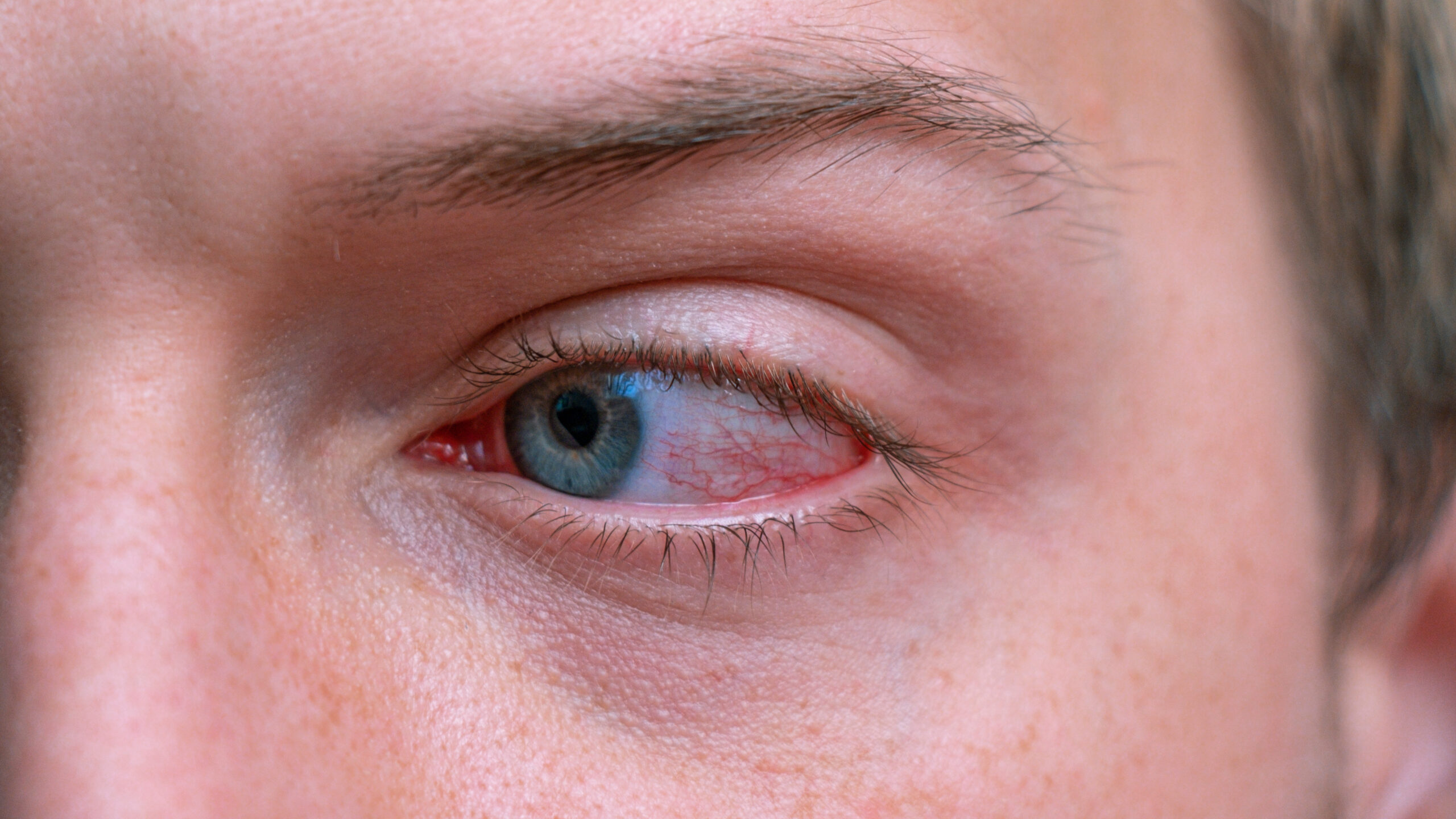

Eye Infections
Your eyes water uncontrollably during an important meeting, your vision blurs as you try to read bedtime stories to your children, and that persistent gritty sensation makes every blink uncomfortable. Unfortunately, these are the unmistakable signs that an eye infection has invaded your daily routine. What begins as a seemingly minor irritation can quickly escalate into a condition that affects your work performance, family interactions, and overall quality of life, making fast professional care essential for protecting your vision and restoring your comfort.
At Vision Source Mandan, we understand how concerning eye infections can be for patients throughout Mandan, Bismarck, and the surrounding North Dakota communities. Our experienced team of optometrists provides comprehensive diagnosis and treatment for various types of eye infections, helping you find relief and protect your long-term eye health. With over 70 years of serving the community, we have the knowledge and advanced technology to address your eye condition promptly and effectively.
Understanding Different Types of Eye Infections
Eye infections occur when harmful bacteria, viruses, fungi, or parasites invade different parts of the eye, causing inflammation and discomfort.
Conjunctivits
Conjunctivitis, commonly known as pink eye, is one of the most frequent eye infections we treat at our practice. With six million people experiencing acute conjunctivitis each year in the United States, you’re certainly not alone in dealing with these uncomfortable symptoms. This condition affects the thin membrane covering the white part of your eye and the inner surface of your eyelids.
Bacterial conjunctivitis typically produces thick, yellow or green discharge, whereas viral conjunctivitis often causes watery discharge and may be accompanied by cold symptoms. Allergic conjunctivitis, though not infectious, can cause similar symptoms and requires different treatment.
Styes & Chalazions
Styes and chalazions form when oil glands in the eyelid become blocked and infected. A stye appears as a painful, red bump on the eyelid edge, while a chalazion typically develops deeper in the eyelid and may be less painful. Both conditions can cause swelling, tenderness, and difficulty opening the affected eye.
Keratitis
Keratitis is an infection or inflammation of the cornea, the clear front surface of your eye. This serious condition can result from bacteria, viruses, fungi, or parasites, particularly in individuals who wear contact lenses and don’t follow proper hygiene practices. Keratitis requires immediate medical attention to prevent vision-threatening complications.


Common Eye Infection Symptoms
Common symptoms of an eye infection include:
- Persistent redness that doesn’t improve with rest
- Unusual discharge that may be thick, colored, or excessive
- Significant pain or discomfort that interferes with daily activities
- Increased sensitivity to light
- Swelling around the eyes, particularly the eyelids
- Changes in vision, such as blurriness or decreased clarity
Itching and burning sensations, while uncomfortable, help our optometrists determine the type of infection you may have. The feeling of having something in your eye, known as foreign body sensation, also commonly occurs with various eye infections and can be pretty bothersome.hout your system.s double vision because the visual system has already matured and cannot easily adapt to the misalignment.
Treatment Options for Eye Infections
Our comprehensive approach to treating eye infections begins with an accurate diagnosis, utilizing advanced diagnostic equipment available through the Vision Source network. We carefully examine your eyes to determine the specific type and severity of your infection, allowing us to recommend the most effective treatment plan.
Bacterial Infections
Bacterial eye infections typically respond well to antibiotic eye drops or ointments prescribed by our optometrists. We may recommend specific medications based on the bacteria causing your infection and your individual medical history.
Viral Infections
Viral infections often resolve on their own, but we may suggest supportive care measures to increase your comfort during the healing process.
Fungal Infections
For fungal eye infections, which are less common but can be more severe, we may prescribe antifungal medications and closely monitor your progress. Treatment duration varies depending on the type and severity of the infection, and we provide clear instructions for medication use and follow-up care.
Home Care
Home care measures can complement professional treatment and provide additional relief. We often recommend using warm compresses for conditions such as styes and blocked oil glands, gentle eyelid cleaning with mild, non-irritating solutions, and avoiding eye makeup and contact lenses until the infection has cleared completely.

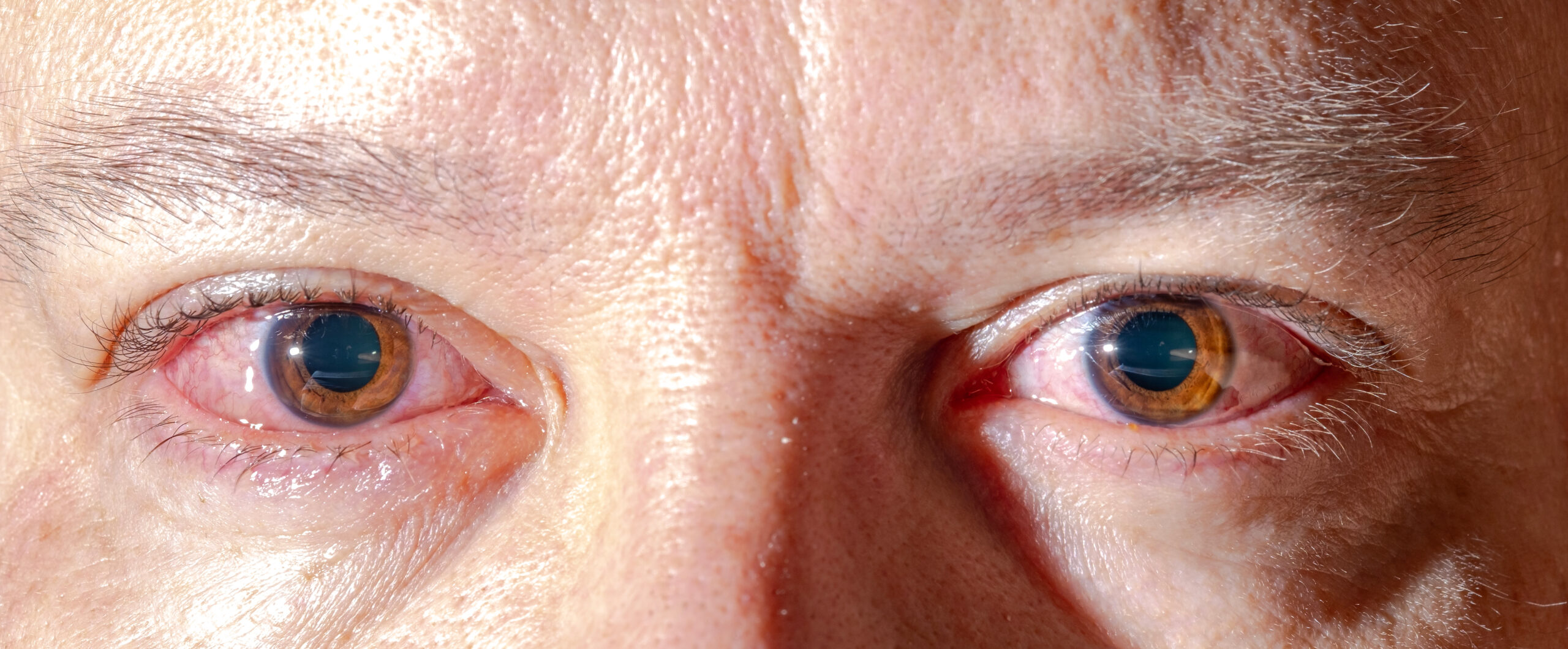
When to Seek Emergency Eye Care
While many eye infections respond well to treatment, certain symptoms require immediate medical attention. Severe pain that doesn’t improve with over-the-counter pain relievers, sudden vision changes or loss, and light sensitivity so severe you cannot tolerate normal lighting conditions all warrant urgent care.
If you experience symptoms of a severe eye infection, particularly if you wear contact lenses or have a history of eye problems, don’t wait to seek treatment. Our emergency eye care services ensure you receive prompt attention when you need it most.
Chemical exposure to the eyes, foreign objects embedded in the eye, and signs of spreading infection, such as fever or facial swelling, require immediate professional evaluation and treatment.
Comprehensive Eye Infection Care at Vision Source Mandan
Since 1950, our practice has provided exceptional eye care to generations of families throughout the Mandan and Bismarck area. Under the leadership of Dr. Brittany Schauer, along with Dr. Wayne Aberle and Dr. Danielle Dyke, we combine decades of experience with the latest diagnostic technology available through the Vision Source network. As members of North America’s premier network of private practice optometrists, we have access to cutting-edge instruments and diagnostic equipment that manufacturers introduce first to Vision Source practices, allowing us to provide the most advanced eye infection diagnosis and treatment options available.
Whether you’re dealing with a minor eye irritation or a more serious infection, our experienced team at Vision Source Mandan is ready to help. Our commitment to building trusted, long-term relationships means we take the time to thoroughly explain your condition, treatment options, and preventive measures, believing in comprehensive care that prioritizes your overall health and well-being. For prompt diagnosis and effective treatment of your eye infection, contact us today at 701-663-0313 or schedule an appointment online.
