



Children’s Eye Exams
A child’s vision develops rapidly during the first few years of life, making regular eye exams one of the most vital investments parents can make in their child’s future success and overall well-being. Many vision problems in children go undetected because young ones may not realize their vision is impaired or lack the vocabulary to describe what they’re experiencing. Without proper vision, children may struggle academically, socially, and developmentally in ways that could impact them for years to come.
At Vision Source Mandan, we understand the unique eye care needs of growing children and provide comprehensive pediatric eye exams designed to catch problems early when they’re most treatable. Our experienced team of optometrists uses child-friendly techniques and advanced diagnostic equipment to ensure your child receives thorough, comfortable care in a welcoming environment.
When Should Children Have Their First Eye Exam?
The American Optometric Association recommends that children have their first comprehensive eye exam between 6 and 12 months of age, followed by another exam between the ages of 3 and 5, and then annually once they begin school. These early exams are crucial because many serious eye conditions can develop without noticeable symptoms.
During infancy, we look for signs of congenital eye problems, proper eye movement, and normal visual development. As children grow, our focus shifts to detecting refractive errors, such as nearsightedness, farsightedness, and astigmatism, as well as checking for conditions like lazy eye or crossed eyes that can significantly impact their learning abilities.
Even if your child seems to see well, regular eye exams remain essential. Children are remarkably adaptable and often compensate for vision problems without parents realizing anything is wrong. By the time symptoms become apparent, valuable learning opportunities may have already been missed.
What to Expect During Your Child’s Eye Exam
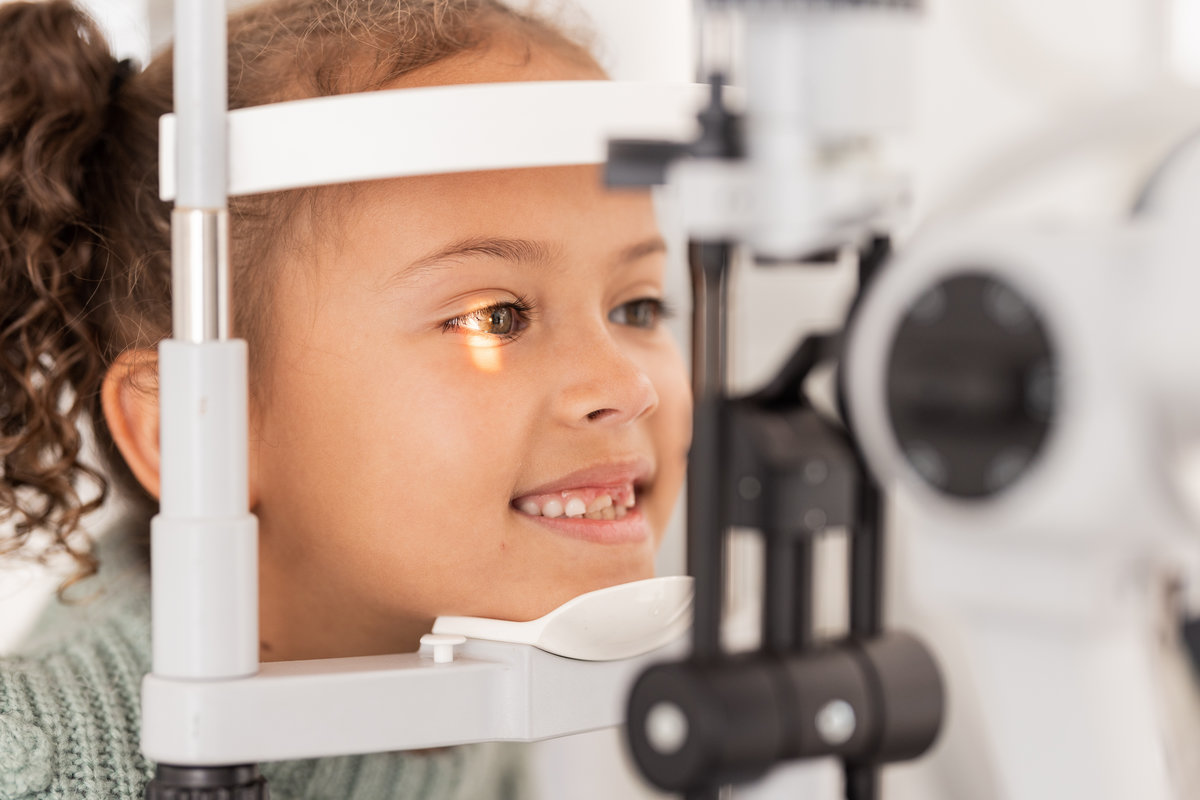
We make pediatric eye exams comfortable and engaging for children of all ages. Our optometrists are skilled at working with young patients, using age-appropriate techniques and equipment to gather accurate information about your child’s vision and eye health.
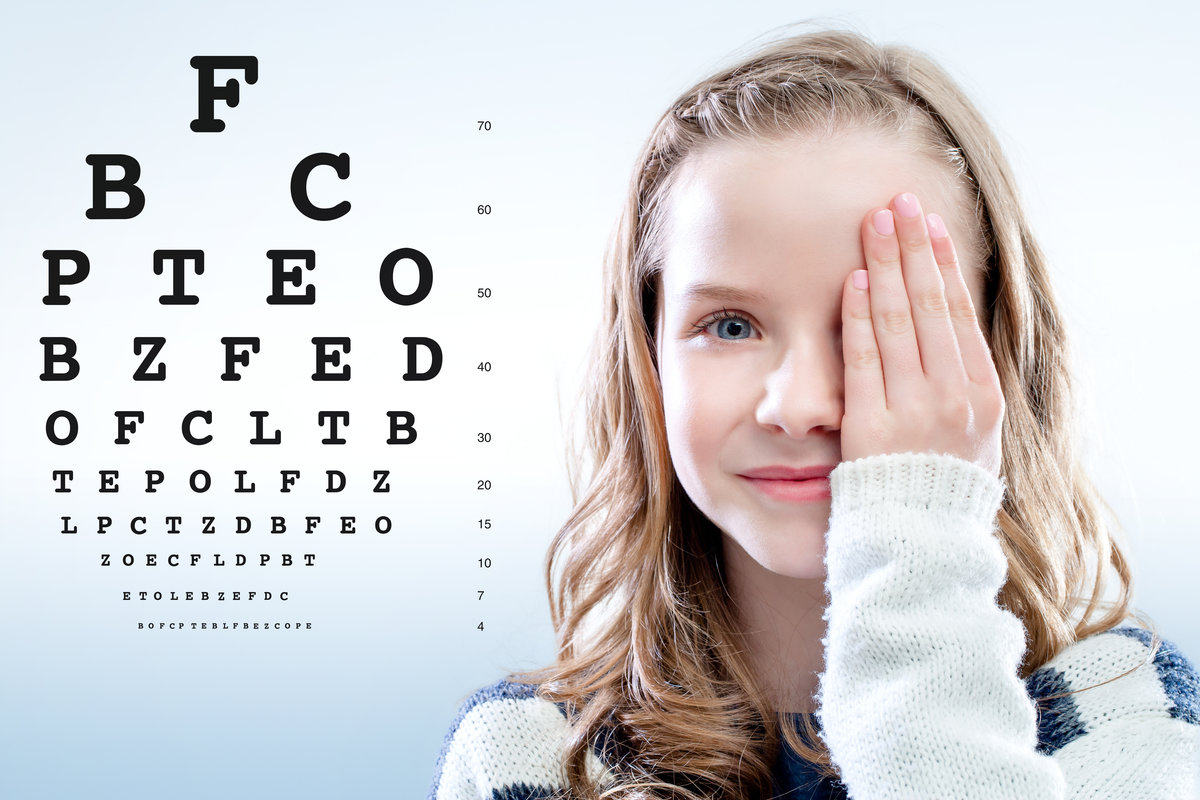
For very young children who cannot yet read letters, we use picture charts, shapes, or other visual tests they can understand. We also perform objective tests that don’t require verbal responses, such as retinoscopy to refractive errors and assessments of how well the eyes work together.
What We Test For
Our pediatric eye exams evaluate several critical areas of vision and eye health. We assess visual acuity at both near and far distances, check how well the eyes focus and work together as a team, and examine eye movement abilities essential for reading and learning.
We also evaluate depth perception, color vision, and peripheral vision while conducting a thorough examination of the eye’s internal and external structures. This comprehensive approach helps us identify not only refractive errors but also eye diseases, developmental delays, and other conditions that could affect your child’s visual development.
Myopia Management for Children
One of the most significant concerns in pediatric eye care today is the dramatic increase in childhood myopia, also known as nearsightedness. Studies show that myopia rates have doubled in recent decades, with digital device usage and reduced outdoor time contributing to this epidemic.
At Vision Source Mandan, we offer advanced myopia management treatments specifically designed for children. These specialized approaches can slow the progression of nearsightedness, potentially preventing your child from developing high myopia later in life, which carries an increased risk of serious eye diseases.
Our myopia management options include specially designed contact lenses, Essilor Stellest eyeglass lenses, prescription eye drops, and lifestyle modifications tailored to each child’s specific needs. Early intervention is key, making regular eye exams even more critical for detecting myopia in its earliest stages.

Signs Your Child May Need an Eye Exam
While regular preventive eye exams are essential for all children, certain signs may indicate your child needs immediate attention. Watch for:
- Frequent eye rubbing
- Excessive tearing
- Unusual sensitivity to light
- Complaints of headaches, especially after reading or doing homework
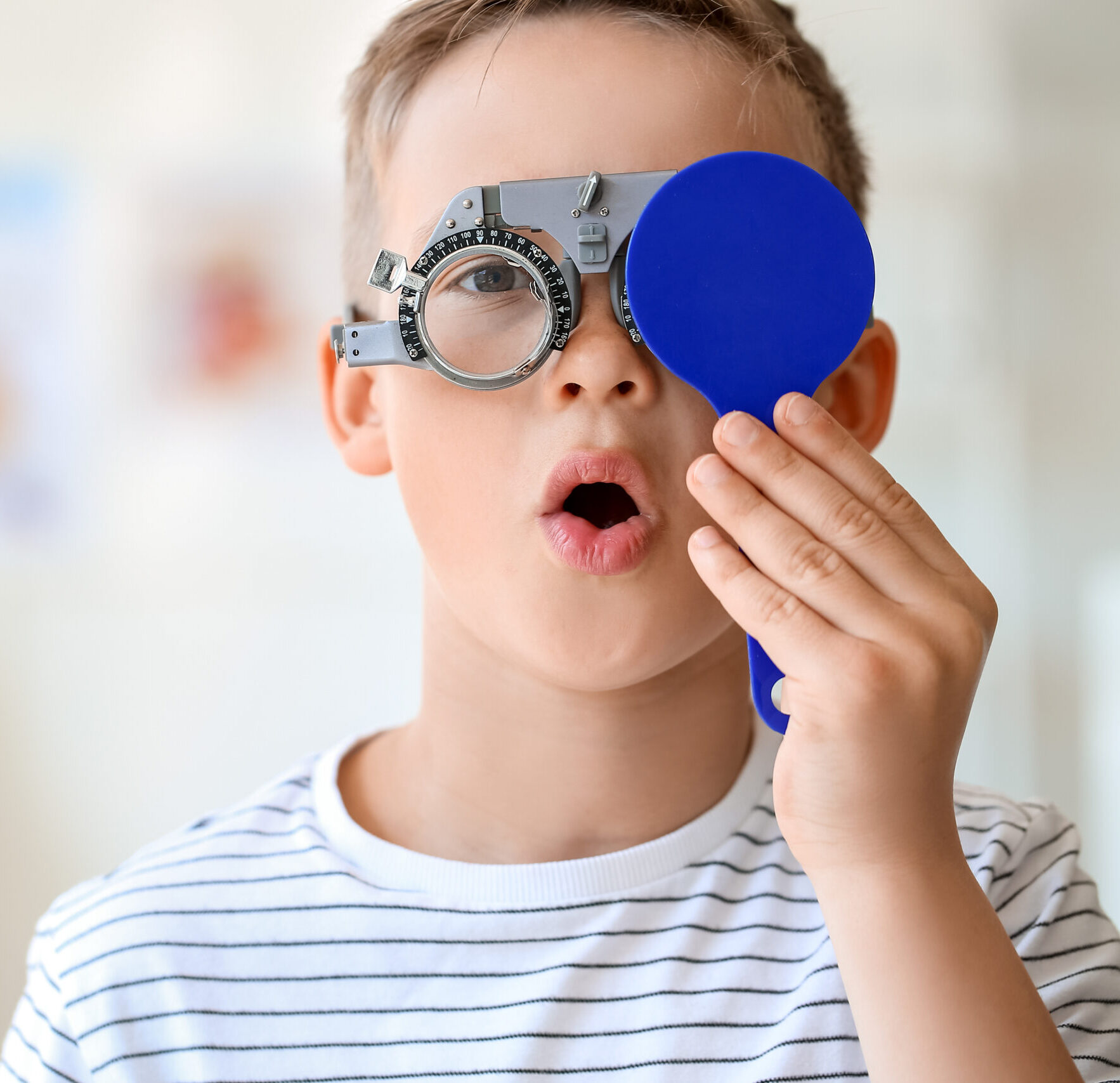
Behavioral changes can also signal vision problems. If your child suddenly loses interest in reading, holds books unusually close or far away, covers one eye while reading, or has difficulty with hand-eye coordination activities, schedule an eye exam as soon as possible. Academic struggles, difficulty paying attention, or behavioral issues at school can sometimes stem from undiagnosed vision problems rather than learning disabilities.
Emergency Eye Care For Children
Children are naturally curious and active, which sometimes leads to eye injuries or sudden vision problems. Vision Source Mandan provides emergency eye care services when your child needs immediate attention for issues like foreign objects in the eye, chemical exposure, or trauma-related injuries.
Our experienced team knows how to handle pediatric emergencies with the calm, reassuring approach children need during stressful situations. We’re equipped to address urgent eye problems quickly while keeping both children and parents comfortable throughout the treatment process.
Trust Vision Source Mandan for Your Child’s Eye Care
Vision Source Mandan has been serving families in the Bismarck-Mandan area since 1950, building a legacy of exceptional eye care that spans multiple generations. Under the leadership of Dr. Brittany Schauer, along with Dr. Wayne Aberle and Dr. Danielle Dyke, we combine decades of experience with the most advanced pediatric eye care technologies available.
Our practice takes pride in the long-term relationships we build with families, often caring for multiple generations of patients. This continuity of care allows us to monitor your child’s visual development over time and make adjustments to their treatment plan as needed. We accept most insurance plans and work with families to ensure cost never becomes a barrier to essential eye care. To schedule your child’s comprehensive eye exam, call us at 701-663-0313 or contact us online today.
.

Ready for Crystal-Clear Vision with Contact Lenses?
Don’t compromise on your vision or comfort. The eye care team at Vision Source Mandan is ready to help you find the perfect contact lens solution for your unique needs.