


Adult Eye Exams
Your vision changes more rapidly after age 40 than at any other time in your adult life, making regular eye exams not just recommended but essential for maintaining clear sight and optimal eye health. Between presbyopia, increased glaucoma risk, and age-related macular degeneration concerns, adults face a complex landscape of potential vision challenges that require professional monitoring and early intervention.
At Vision Source Mandan, our experienced team of optometrists provides comprehensive adult eye care services to residents throughout Mandan, Bismarck, and surrounding North Dakota communities. With decades of trusted eye care experience, we understand the unique vision needs adults face and provide thorough examinations using advanced diagnostic technology to protect your sight for years to come.
What Happens During Your Adult Eye Exam
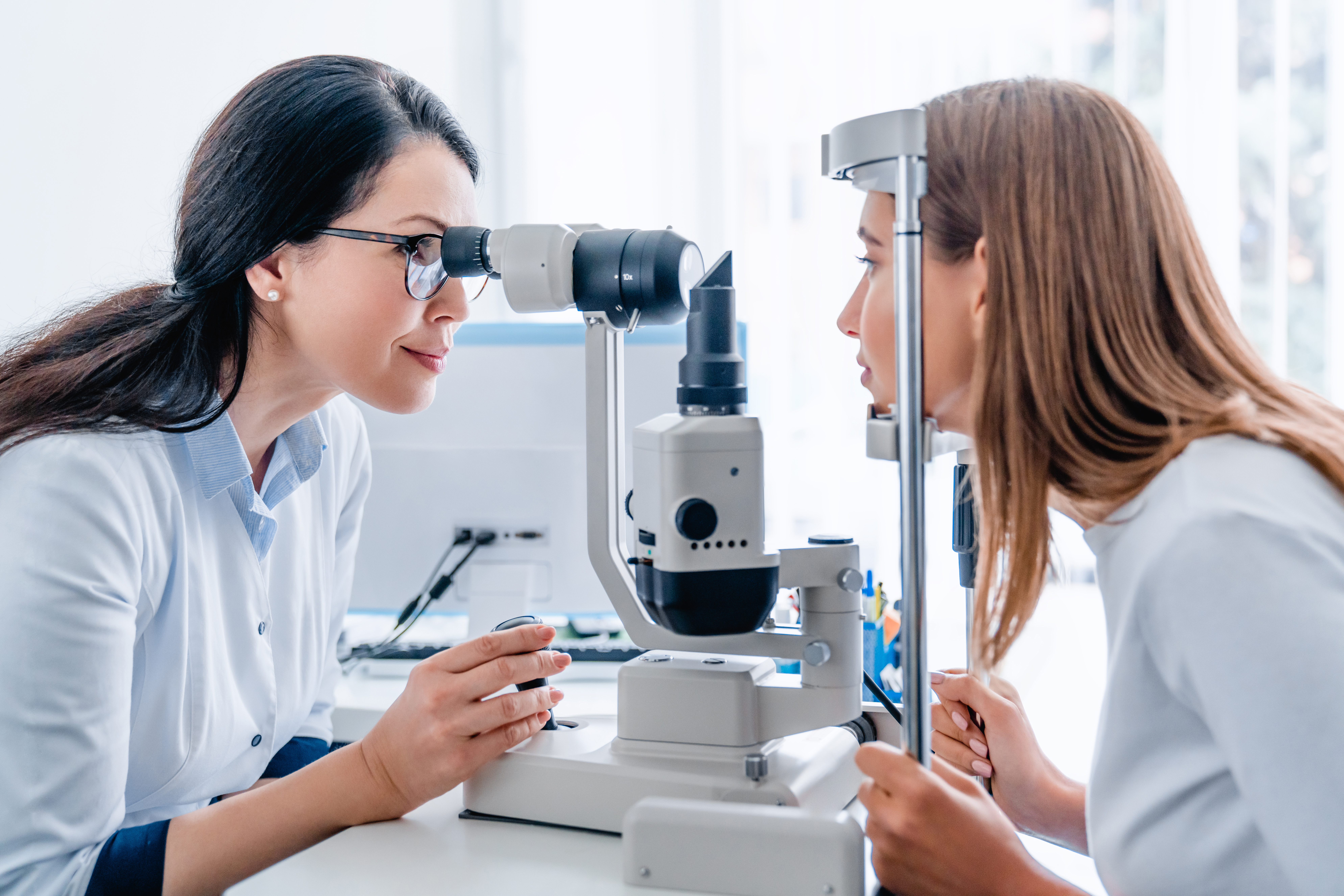
Adult eye exams include more than just updating your prescription. Dr. Brittany Schauer, Dr. Wayne Aberle, and Dr. Danielle Dyke conduct comprehensive evaluations that assess both your current vision and overall eye health. The examination begins with a detailed review of your medical history, current medications, and any vision concerns you may be experiencing.
Your eye exam includes several critical components designed to detect problems early. Visual acuity testing measures how clearly you see at various distances, while refraction testing determines your exact prescription needs for glasses or contact lenses. We also perform binocular vision assessment to ensure your eyes work together properly, which becomes increasingly important as we age.
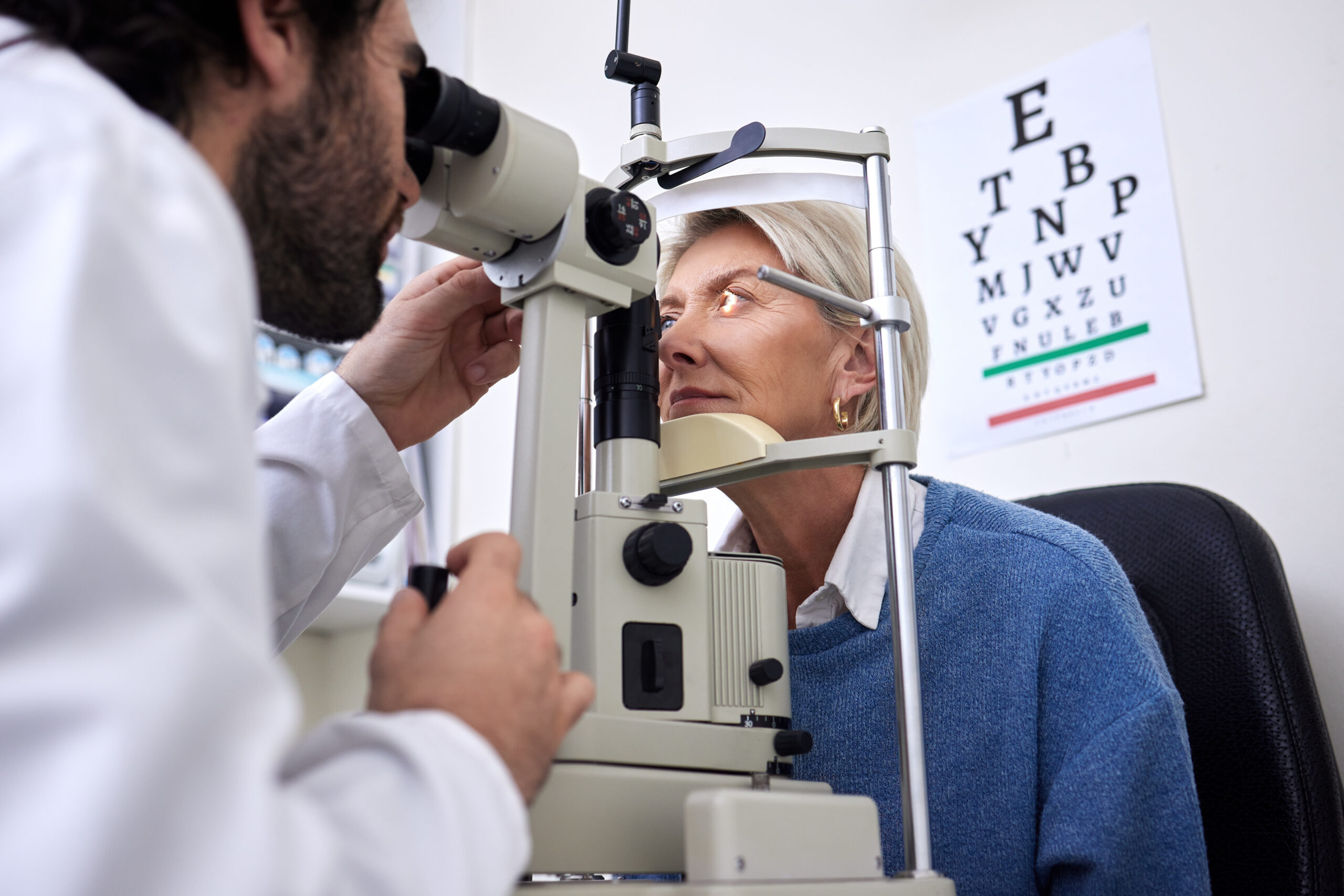
Advanced diagnostic testing forms a crucial part of every adult eye exam. We use digital retinal imaging to photograph the back of your eye, allowing us to monitor changes over time and detect early signs of diabetic retinopathy, macular degeneration, and other serious conditions. Tonometry testing measures your eye pressure to screen for glaucoma, while dilated eye exams provide a comprehensive view of your retina and optic nerve.


Common Eye Conditions We Screen For
Adults face an increased risk for several serious eye conditions that can develop gradually without obvious symptoms.
Glaucoma
Glaucoma, often referred to as the “silent thief of sight,” typically exhibits no warning signs until significant vision loss has already occurred. Our comprehensive pressure testing and optic nerve evaluation can detect glaucoma in its earliest stages when treatment is most effective.
Age-Related Macular Degeneration
Age-related macular degeneration (AMD) affects central vision and becomes more common after the age of 50. Through dilated exams and retinal imaging, we can identify early changes in your macula before you notice vision problems.
Diabetic Retinopathy
Diabetic retinopathy poses serious risks for adults with diabetes, making regular eye exams essential for preventing vision-threatening complications.
Cataracts
Cataracts develop naturally as we age, causing gradual clouding of the eye’s natural lens. While we don’t perform cataract surgery at our practice, we provide thorough diagnosis and monitoring, referring you to trusted specialists when surgical intervention becomes necessary.
Dry Eye Syndrome
We also screen for dry eye syndrome, which affects millions of adults and can significantly impact daily comfort and visual clarity, offering specialized treatment options.
How Often Should Adults Schedule Eye Exams
The frequency of your eye exams will depend on your age, health status, and risk factors. Adults between 18 and 39 with no vision problems or risk factors should schedule comprehensive exams every year. However, if you wear glasses or contacts, have diabetes, high blood pressure, or a family history of eye disease, annual exams are recommended regardless of age.
Adults over 40 should schedule yearly eye exams due to an increased risk of presbyopia, glaucoma, and other age-related eye conditions. Those over 65 may need more frequent monitoring based on individual risk factors and existing conditions. If you experience sudden changes in your vision, eye pain, or flashing lights, schedule an appointment immediately rather than waiting for your next routine exam.
At Vision Source Mandan, we consider the following factors when determining your exam schedule:
- Family history of glaucoma, macular degeneration, or other inherited eye conditions
- Diabetes, autoimmune disease, or high blood pressure that affects eye health
- Previous eye injuries or surgeries that require ongoing monitoring
- Occupational hazards or hobbies that put your eyes at risk
- Current medications that may affect vision or eye health
Your individual risk assessment during your examination will help determine the optimal schedule for future visits.mine the optimal schedule for future visits.

Preparing for Your Eye Exam Appointment
Proper preparation helps ensure your eye exam provides the most accurate and comprehensive results. Bring your current glasses and contact lenses, even if you think your prescription has changed. Your eye doctor needs to evaluate your current correction and determine how your vision has evolved since your last exam.
Compile a complete list of medications, including over-the-counter supplements and eye drops. Many medications can affect vision or eye pressure, and some may interact with eye drops used during your examination. Additionally, gather information about any recent changes in your vision, eye discomfort, or concerns you would like to discuss.
Plan for pupil dilation during your comprehensive exam. While not always necessary, dilation provides the most thorough view of your retina. Bring sunglasses for comfort after your appointment, and consider arranging alternative transportation if you’re concerned about driving with dilated pupils.
Schedule Your Adult Eye Exam at Vision Source Mandan
egular eye exams are one of the most important investments you can make in your long-term health and quality of life. Early detection and treatment of eye conditions can preserve your vision and prevent serious complications that might otherwise go unnoticed until irreversible damage occurs.
Our team at Vision Source Mandan combines advanced diagnostic technology with personalized care to provide comprehensive eye health services for adults throughout the region. Dr. Schauer’s experience in glaucoma treatment and macular degeneration management, along with our practice’s 70-year legacy of excellence, ensures you receive the highest quality care available. We accept most insurance plans and work with you to make eye care accessible and affordable. Contact us today at 701-663-0313 or visit our convenient online contact form to book your adult eye exam appointment.
