

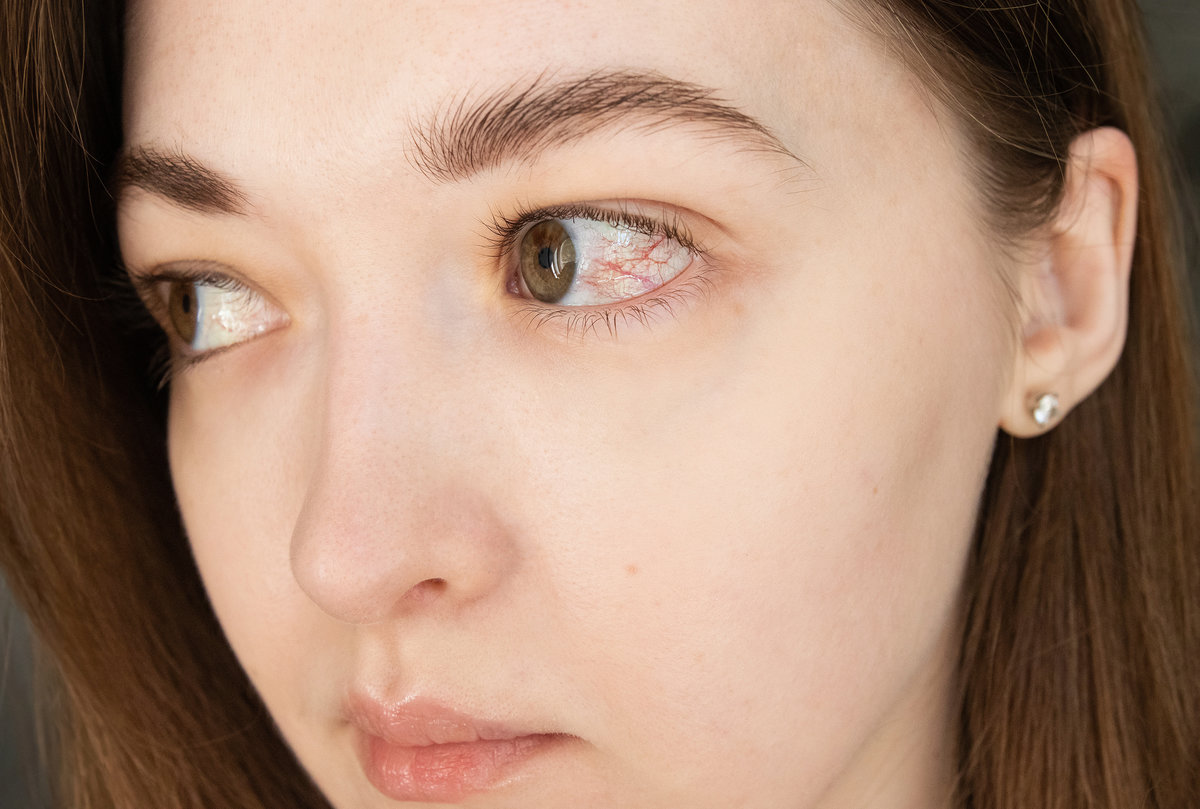

The burning sensation starts subtly in the morning, perhaps dismissed as fatigue or too much screen time from the night before. But as the day progresses, your eyes feel increasingly dry, scratchy, and uncomfortable, making simple tasks like reading or driving more challenging than they should be. Dry eye syndrome affects millions of individuals across the country, and in North Dakota’s often harsh and windy climate, residents of Mandan and Bismarck face unique environmental factors that can worsen this frustrating condition.
At Vision Source Mandan, we understand how dry eye syndrome can impact your daily comfort and quality of life. Our experienced team, led by Dr. Brittany Schauer, Dr. Wayne Aberle, and Dr. Danielle Dyke, has been helping patients in our community manage dry eye symptoms for over 70 years. Through comprehensive eye condition evaluations and personalized treatment approaches, we work to identify the root cause of your dry eye symptoms and develop effective solutions to regain your comfort and quality of life.
Understanding Dry Eye Syndrome
Dry eye syndrome occurs when your eyes either don’t produce enough tears or when the tears you produce are of poor quality. According to the American Optometric Association, more than 16 million Americans endure dry eye disease, with women affected twice as often as men. This condition can stem from several factors, including age, hormones, medications, environmental conditions, and underlying health issues. The tear film that coats your eye consists of three layers: an oily outer layer, a watery middle layer, and a mucous inner layer. Problems with any of these layers can lead to symptoms of dry eye.
Common signs of dry eye syndrome include:
- A stinging or burning sensation
- Scratchiness
- Stringy mucus around the eyes
- Increased sensitivity to light
- Redness
- The feeling that something is in your eye
- Fluctuating vision
Paradoxically, some people with dry eyes experience excessive tearing as the eyes work to compensate for the dryness. However, these tears typically lack the proper composition to effectively lubricate the eye surface. Dry eye syndrome is one of the most common ocular surface diseases that can affect the health and comfort of your eyes.
Environmental factors play a noticeable role in the development and severity of dry eye. North Dakota’s climate presents particular challenges, with low humidity levels, especially during wintertime when indoor heating systems further dry the air. Wind exposure, which is common in our region, can accelerate tear evaporation and worsen symptoms. low humidity levels, especially during wintertime when indoor heating systems further dry the air. Wind exposure, which is common in our region, can accelerate tear evaporation and worsen symptoms.


How We Diagnose and Treat Dry Eye
At Vision Source Mandan, we begin with an examination to identify the primary cause of your dry eye symptoms. This evaluation may include measuring tear production, assessing tear quality, and examining the health of your eyelids and tear glands. Our advanced diagnostic tools help us understand whether your dry eyes result from decreased tear production, increased tear evaporation, or a combination of factors.
Mild Cases of Dry Eye
For mild cases, we may recommend over-the-counter artificial tears or lifestyle modifications such as taking frequent breaks from computer work, using a humidifier, and protecting your eyes from wind and dry air. We can help you select the most suitable artificial tear products, as different formulations are more effective for specific types of dry eye.
Severe Cases of Dry Eye
For more stubborn or severe cases, prescription treatments may be necessary. These can include:
- Anti-inflammatory eye drops to reduce inflammation on the eye surface
- Medications to increase natural tear production
- Specialized therapies to address underlying eyelid conditions
- Punctal plugs to help retain tears on the eye surface
- Nutritional supplements that support healthy tear production
- In-office treatment
We also provide guidance on proper eyelid hygiene and warm compress therapy, which can be particularly beneficial for patients whose dry eyes result from meibomian gland dysfunction. These glands secrete the oily layer of tears, and when they become blocked or don’t function properly, the quality of tears suffers significantly.
Managing Dry Eye in North Dakota’s Climate
Living in Mandan and the surrounding region requires special consideration for dry eye management. We help patients develop strategies to minimize environmental triggers while maintaining their active lifestyles. This includes recommendations for protective eyewear during outdoor activities, adjusting home and work environments to reduce exposure to dry air, and scheduling outdoor activities when humidity levels are more favorable.
Our team also addresses digital eye strain, which has become increasingly common as more people spend extended periods using computers, tablets, and smartphones. We provide practical advice on proper screen positioning, lighting, and the 20-20-20 rule to help reduce eye strain and associated dryness.
We work closely with our patients to ensure treatments fit their lifestyles and preferences. Some patients prefer preservative-free artificial tears, while others benefit from longer-lasting gel formulations. Our comprehensive vision care approach means we consider how dry eye treatment integrates with any other vision correction needs you may have.

Experience Lasting Relief at Vision Source Mandan
Dry eye syndrome doesn’t have to control your daily comfort and activities. With proper diagnosis and treatment, most patients experience substantial improvement in their symptoms and overall eye comfort. Our team at Vision Source Mandan brings over seven decades of eye care experience to help you find the most effective solutions for your dry eye.
As part of the Vision Source network, we have access to the latest advances in dry eye treatment and diagnostic technology. This means you receive cutting-edge care while maintaining the personal, community-focused approach our practice has been known for since 1950. Whether your dry eye symptoms are mild and occasional or more persistent and severe, we tailor our treatment recommendations to your unique needs and lifestyle. Don’t let dry, uncomfortable eyes diminish your quality of life. Contact Vision Source Mandan today at 701-663-0313 or schedule your appointment through our contact form to begin your journey toward lasting eye comfort.

Ready for Crystal-Clear Vision with Contact Lenses?
Don’t compromise on your vision or comfort. The eye care team at Vision Source Mandan is ready to help you find the perfect contact lens solution for your unique needs.