


Understanding Common Eye Diseases & Their Impact on Mandan Residents
Eye diseases often develop silently, progressing without noticeable symptoms until significant vision loss has already occurred. At Vision Source Mandan, our eye doctors provide thorough diagnosis and treatment for various eye diseases affecting Mandan and Bismarck residents. Early detection through regular comprehensive eye exams remains your best defense against conditions like glaucoma, macular degeneration, and diabetic retinopathy.
Our team of experienced optometrists, Dr. Brittany Schauer, Dr. Wayne Aberle, and Dr. Danielle Dyke, utilizes advanced diagnostic technology to identify eye conditions before they cause permanent damage. With over 70 years of serving families in Mandan and surrounding communities, we are committed to helping you maintain healthy vision throughout your lifetime.
Conjunctivitis (Pink Eye)
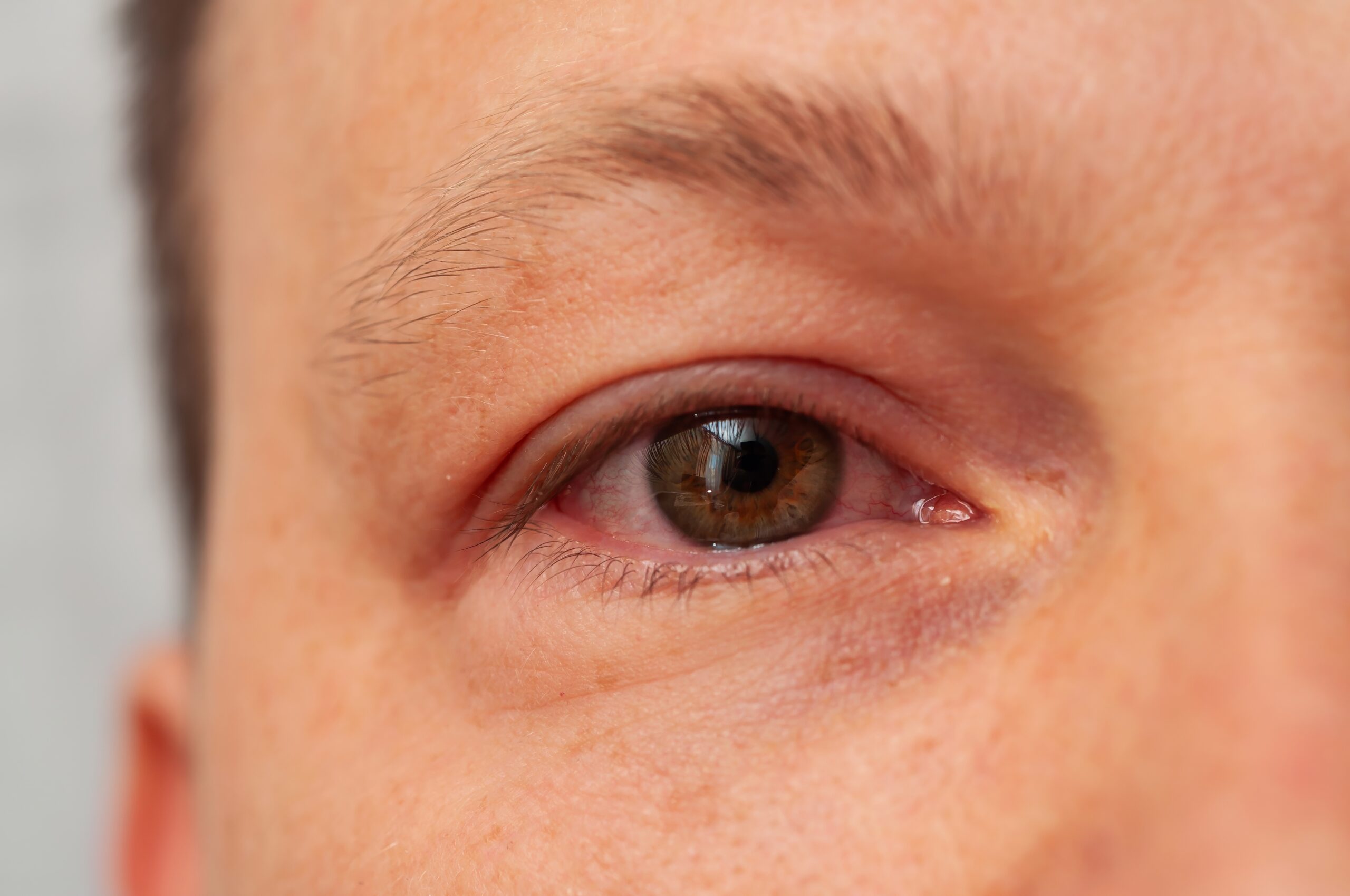
This common inflammatory condition affects the thin membrane covering your eye and inner eyelids. Whether caused by bacteria, viruses, allergens, or environmental irritants like dust, pink eye can spread quickly between family members and classmates. While minor cases often improve within two weeks, severe cases can lead to corneal inflammation and vision problems if left untreated. Our Mandan eye doctors provide prompt diagnosis and treatment to prevent complications and help you return to your daily activities.
Dry Eye Disease
Many Mandan residents suffer from this chronic condition, often putting up with uncomfortable symptoms unnecessarily. Dry eye can feel like burning, grittiness, scratchiness, or itchiness in your eyes. North Dakota’s climate, with dry winters and windy conditions, can worsen symptoms significantly. Our eye doctors develop personalized treatment plans addressing your specific dry eye triggers and symptoms, including advanced options like BlephEx and iLux therapy for lasting relief.
Diabetic Eye Disease
This group of conditions affects many North Dakota residents with diabetes. It includes diabetic retinopathy, cataracts, and glaucoma, all potentially sight-threatening without proper management. Because early stages often show no symptoms, regular comprehensive eye exams are vital for diabetic patients. Dr. Wayne Aberle has a particular focus on diabetic eye exams, and our team coordinates care with your primary physician to protect your vision long-term.
Glaucoma: The Silent Sight Stealer
This condition increases pressure in your eyes, gradually damaging the optic nerve without early warning signs. If untreated, it causes peripheral vision loss and potentially blindness. With North Dakota’s aging population, glaucoma awareness is increasingly important. Dr. Brittany Schauer focuses on glaucoma treatment, and our doctors use advanced technology to measure eye pressure, assess optic nerve health, and detect glaucoma before vision loss occurs.
Macular Degeneration
This progressive condition affects the macula, the central portion of your retina responsible for sharp, detailed vision. More common in older adults (hence age-related macular degeneration or AMD), it comes in dry and wet forms. Dr. Schauer focuses on macular degeneration management, and our Mandan eye care team offers genetic testing to identify those at higher risk for wet AMD. We provide guidance on protective measures including proper nutrition, sun protection, and lifestyle changes to slow progression.
Emergency Eye Symptoms: When to Seek Same-Day Care
Understanding which eye symptoms require immediate attention can help protect your vision and prevent unnecessary trips to the emergency room. At Vision Source Mandan, we handle many eye emergencies that urgent care centers and ERs cannot properly treat because they lack the equipment we have.
These symptoms require prompt evaluation and treatment, often the same day:
- Sudden vision loss or significant vision changes in one or both eyes
- Severe eye pain that does not improve
- Eye injury from chemicals, burns, or foreign objects stuck in the eye
- Flashes of light accompanied by new floaters or a curtain or shadow over your vision
- Sudden onset of double vision
- Red, painful eye with discharge or crusting
- Foreign object embedded in the eye (metal shavings, wood chips, etc.)
- Eye trauma from sports injuries or workplace accidents
- Sudden severe headache with blurred vision, nausea, or halos around lights
Contact our office at (701) 663-0313 immediately if you experience any of these symptoms. We offer same-day emergency appointments and have slit lamp microscopes, tonometers, and advanced imaging technology that most urgent care centers and emergency rooms lack. Our after-hours phone system directs emergency calls to our doctors’ cell phones, ensuring you receive guidance when you need it most.
Non-Emergency Symptoms: Schedule an Appointment Within a Few Days
These symptoms should be evaluated, but typically do not require same-day treatment: gradual blurring of vision over days or weeks, mild eye irritation or redness without pain, dry or scratchy eyes (especially after computer use), occasional floaters without flashes of light, minor eye fatigue or strain, difficulty reading or seeing at night, mild light sensitivity, and itchy or watery eyes from allergies.


Seasonal Eye Diseases in North Dakota
Living in North Dakota means your eyes face unique challenges with each season. Understanding how weather and environmental changes affect your eye health helps you take preventive measures and know when to seek treatment.
Spring: Allergy Season (March Through June)
Spring brings tree and grass pollen, as well as other outdoor allergens, which trigger allergic conjunctivitis in many Mandan residents. Symptoms include itchy, watery eyes, redness, swelling of the eyelids, and a burning sensation. Unlike bacterial or viral conjunctivitis, allergic conjunctivitis affects both eyes simultaneously and is not contagious.
Prevention strategies include keeping windows closed on high-pollen days, using air conditioning with clean filters, wearing wraparound sunglasses outdoors, and avoiding rubbing your eyes. Over-the-counter antihistamine eye drops can provide relief, but if symptoms persist for more than a few days or significantly impact your daily activities, schedule an appointment. We can prescribe stronger medications or recommend treatments based on your specific triggers.
Summer: Increased Infection Risk (June Through August)
Summer activities increase your risk of eye infections. Swimming pools, lakes, and recreational water expose your eyes to bacteria, viruses, and parasites. Contact lens wearers face an increased risk of infection when water becomes trapped between the lens and the eye. Outdoor activities also increase exposure to dust, debris, and insects that can cause corneal abrasions or introduce bacteria.
Protect your eyes by never swimming or showering in contact lenses, wearing goggles when swimming, using protective eyewear during yard work and sports, and washing your hands frequently before touching your eyes. If you develop redness, discharge, pain, or blurred vision after swimming or outdoor activities, contact our office promptly.
Fall: Ragweed and Mold Allergies (August Through October)
Fall brings ragweed pollen, one of the most common allergens affecting North Dakota residents, along with outdoor mold spores from decaying leaves. Many patients who do not experience spring allergies find their eyes severely affected in the fall. This season also sees an increase in fungal eye infections from yard work, particularly when handling compost, moldy leaves, or disturbed soil. Always wear protective eyewear when doing yard work, raking leaves, or using leaf blowers.
Winter: Dry Eye and Viral Infections (November Through March)
North Dakota’s harsh winters create a perfect storm for dry eye disease. Indoor heating systems remove moisture from the air, while cold outdoor temperatures and wind cause tears to evaporate rapidly. Winter also brings an increase in viral conjunctivitis (pink eye) cases as people spend more time indoors and in close contact.
Combat winter dry eye by using a humidifier in your bedroom and office, staying well-hydrated, taking breaks from screens, and using preservative-free artificial tears throughout the day. For persistent symptoms, our advanced dry eye treatments, including BlephEx and iLux, can provide lasting relief.
Preventing Eye Disease: Steps You Can Take Today
The single most important step in preventing vision loss is scheduling annual comprehensive eye exams. Many serious conditions, including glaucoma, diabetic retinopathy, and macular degeneration, develop without symptoms in their early stages. Our advanced diagnostic technology can detect these diseases years before you notice any changes, allowing for early intervention when treatment is most effective.
Protect Your Eyes from UV Damage
North Dakota’s intense sun exposure, amplified by winter snow reflection, increases your risk of cataracts and macular degeneration. Wear sunglasses that block 100% of UVA and UVB rays whenever you are outdoors, even on cloudy days. Wraparound styles offer the best protection. Our optical team can help you find protective eyewear that fits your lifestyle and prescription needs.
Manage Chronic Health Conditions
Diabetes, high blood pressure, and high cholesterol all increase your risk of serious eye diseases. If you have diabetes, maintaining good blood sugar control can reduce your risk of diabetic retinopathy significantly. Work closely with your primary care physician to keep these conditions under control, and always inform our eye doctors about any chronic health conditions and medications you are taking.
Know Your Family History
Many eye diseases have genetic components. If your parents or siblings have glaucoma, macular degeneration, or other eye conditions, your risk increases significantly. Share your complete family health history with our doctors during your exam so we can implement appropriate screening and monitoring protocols.

Schedule Your Eye Disease Screening at Vision Source Mandan
Our Mandan eye care center combines hometown care with advanced diagnostic equipment to effectively manage eye diseases. Dr. Brittany Schauer, Dr. Wayne Aberle, and Dr. Danielle Dyke stay at the forefront of optometric advances through ongoing education and membership in the Vision Source network, North America’s premier network of over 3,000 independent optometry practices.
We take a personalized approach to treating eye diseases, recognizing that each patient’s situation is unique. From customized dry eye treatment plans to glaucoma monitoring, we tailor our care to your specific needs. When you choose Vision Source Mandan, you are partnering with eye health professionals who truly care about preserving your vision for life. Contact us today to schedule your comprehensive eye exam.