
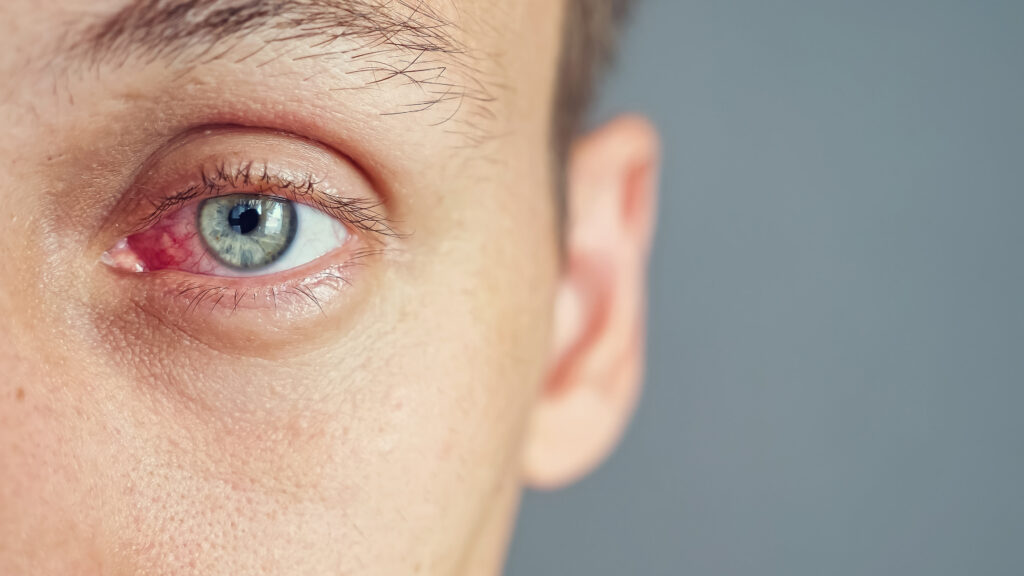
Red eyes can result from infections or allergies, and determining the cause requires specialized examination. Your eye doctor uses specific diagnostic equipment and observations to identify whether bacteria, viruses, or allergens are causing your symptoms, ensuring you receive the correct treatment.
At Vision Source Mandan, our experienced eye care team provides same-day appointments for red eye concerns. Dr. Brittany Schauer, Dr. Wayne Aberle, and Dr. Danielle Dyke use advanced microscopes designed specifically for eye examinations to accurately diagnose the cause of your symptoms. This precise diagnostic capability prevents the common problem of receiving unnecessary antibiotics when your red eye stems from allergies or viral causes.
The Critical Role of Specialized Equipment
The key difference between getting an accurate diagnosis and receiving improper treatment often comes down to having the right equipment. Eye doctors use specialized microscopes called slit lamps that allow us to examine your eyes under magnification and controlled lighting. This equipment reveals details impossible to see with the naked eye.
Urgent care centers and many emergency rooms lack this specialized diagnostic equipment. Without a microscope designed for eye examinations, providers often default to prescribing antibiotics regardless of the actual cause. This approach wastes your time and money if your red eye results from allergies or a viral infection, neither of which responds to antibiotics.
Key Differences Between Infections and Allergies
Bacterial eye infections typically produce thick, colored discharges that may cause your eyelids to stick together, especially after sleep. The affected eye often feels uncomfortable or gritty. Bacterial infections usually affect one eye initially, though they can spread to the other eye.
Viral infections often accompany other cold or flu symptoms. The discharge tends to be watery rather than thick. Like bacterial infections, viral cases frequently start in one eye before potentially affecting the other. Viral pink eye spreads easily, making proper diagnosis important for preventing transmission to family members and coworkers.
Allergic reactions typically affect both eyes simultaneously. The discharge is watery and clear. Your eyes may feel itchy rather than painful, and you might notice other allergy symptoms like sneezing or a runny nose. Allergic reactions often occur during specific seasons or after exposure to particular triggers like pet dander or dust.
How the Diagnostic Process Works
During your examination, we assess multiple factors to determine the cause of your red eye. The appearance of your eye tissue under magnification provides crucial clues. We examine the pattern of redness, the condition of your eyelids, and the characteristics of any discharge present.
Your symptom history helps guide our diagnosis. We ask about how quickly symptoms developed, whether one or both eyes are affected, and if you’re experiencing itching, pain, or other sensations. Information about recent exposure to illness, known allergies, or environmental irritants adds important context.
The type and color of discharge matters significantly. We examine whether discharge is thick or watery, colored or clear. These characteristics point toward specific causes. The examination also checks for signs like swollen lymph nodes or other indicators that help distinguish between bacterial, viral, and allergic causes.
Why Accurate Diagnosis Saves Time and Money
Receiving the wrong treatment extends your discomfort and delays relief. Antibiotics prescribed for allergic or viral red eye provide no benefit while you continue experiencing symptoms. This misdiagnosis costs you the price of unnecessary medication and additional time off work or away from activities.
Proper diagnosis from the start means you receive targeted treatment immediately. Bacterial infections get appropriate antibiotic drops. Viral infections receive supportive care and guidance on preventing spread. Allergic reactions are treated with antihistamine drops or other allergy-specific medications. Each condition requires different management, making accurate diagnosis essential.
The diagnostic precision also prevents complications. Untreated bacterial infections can worsen and potentially threaten vision. Viral infections need proper management to prevent spreading throughout your household or workplace. Allergies may require identifying and avoiding specific triggers to prevent recurring symptoms.
Treatment Options Based on Diagnosis
Once we’ve identified whether your red eye results from infection or allergies, we prescribe the appropriate treatment. Bacterial infections require antibiotic eye drops or ointments. We provide clear instructions on how often to use the medication and how long to continue treatment.
Viral infections typically resolve on their own, but we provide guidance on managing symptoms and preventing spread. Cool compresses and artificial tears may help with comfort. We explain when symptoms should improve and what signs would indicate you need follow-up care.
Allergic red eye responds to antihistamine eye drops and identifying triggers. We discuss strategies for reducing exposure to allergens causing your symptoms. For seasonal allergies, we may recommend starting preventive treatment before allergy season begins. Managing common eye conditions effectively requires accurate diagnosis followed by appropriate treatment.
When to Seek Immediate Care
Some red eye symptoms require urgent attention. Severe eye pain, significant light sensitivity, or sudden vision changes indicate potentially serious problems. Don’t wait if you experience these warning signs.
Contact lens wearers should remove their lenses immediately if they develop red eye symptoms. Continuing to wear contacts during an eye infection risks serious complications. Schedule an appointment before resuming contact lens wear.
If you’ve tried over-the-counter treatments without improvement, or if symptoms worsen despite treatment, contact us for evaluation. What seems like simple allergies might actually be an infection requiring different treatment, or vice versa. Our emergency eye care services provide same-day appointments for urgent concerns.
Treat Your Red Eye With Vision Source Mandan Today
Vision Source Mandan has served the Mandan and Bismarck communities since 1950, providing accurate diagnosis and effective treatment for eye conditions. Our practice prioritizes same-day appointments for red eye concerns because we recognize that proper diagnosis prevents unnecessary treatment delays and ensures you receive the right care immediately.
Whether your red eye stems from infection or allergies, contact our team for accurate diagnosis using specialized equipment. Proper evaluation from the start saves you time, money, and discomfort while protecting your vision and preventing complications from misdiagnosed eye conditions.