
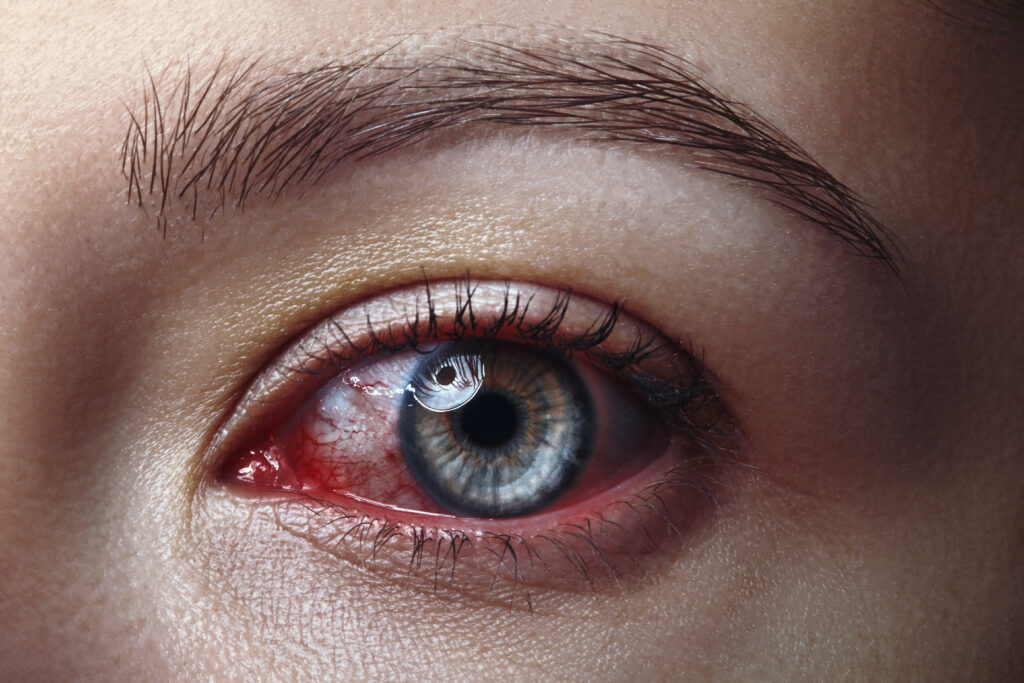
Contact lenses are one of the most convenient ways to correct your vision — until something goes wrong. An infection tied to lens wear can escalate from minor irritation to a serious threat to your sight within days, and the most dangerous part is how easy it is to write off the earliest warning signs as simple dryness or tiredness. Knowing what your eyes are telling you is one of the most important things you can do to protect your vision long-term.
At Vision Source Mandan, Drs. Brittany Schauer, Wayne Aberle, and Danielle Dyke work with contact lens patients every day — fitting lenses, monitoring corneal health, and catching problems before they become serious. With over 70 years of serving the Mandan and Bismarck communities, our team has seen firsthand how quickly a concern can escalate when it goes unaddressed. Recognizing the signs of a contact lens-related infection — and acting on them — can make all the difference.
Warning Signs You Should Never Ignore
One of the most common contact lens-related infections is keratitis, an inflammation of the cornea that can lead to scarring and permanent vision loss if left untreated. It often starts with symptoms that feel unremarkable, which is exactly why so many people wait too long to seek care. According to the CDC, the majority of contact lens wearers practice at least one hygiene-related risk behavior, making infections far more common than most people realize.
If you notice any of the following while wearing your lenses, remove them immediately and contact your eye doctor right away:
- Persistent redness: Redness that does not clear after removing your lenses is not normal and may point to an active infection.
- Eye pain or discomfort: Any sharp, aching, or lingering pain in or around the eye warrants prompt attention.
- Light sensitivity: If bright light suddenly becomes painful or difficult to tolerate, this can signal corneal involvement.
- Discharge or unusual tearing: Watery, thick, or mucus-like discharge accompanying lens wear is a red flag.
- Blurred vision: Changes in vision while wearing properly fitted lenses may indicate inflammation or corneal damage.
These symptoms often overlap, and waiting to see if things improve on their own is not a safe approach — contact lens-related infections can progress rapidly and cause lasting harm.
Common Causes Behind Contact Lens Infections
Understanding why infections happen is key to preventing them. The most frequent causes are tied to hygiene habits and lens care practices that may seem harmless. Sleeping in contact lenses is one of the highest-risk behaviors, raising the chance of a corneal infection by six to eightfold. Wearing lenses longer than prescribed, using expired solution, and exposing lenses to water are also significant risk factors.
The Risk of Unverified Online Purchases
Purchasing contact lenses from unverified online retailers without a current, valid prescription adds another layer of risk. As Dr. Schauer has noted, some online retailers dispense lenses against expired prescriptions or do not verify the information provided. Wearing the wrong lens type or power leads to poor fit, corneal stress, and greater susceptibility to eye infections and injuries. Regular fittings and checkups exist precisely to catch these issues before they become problems.
What to Do If You Suspect an Infection
If you notice any of the warning signs described above, the first step is to remove your contact lenses right away and avoid re-inserting them until you have spoken with an eye doctor. Do not attempt to treat the situation with over-the-counter drops alone. Many contact lens-related infections are bacterial, and some are fungal or parasitic — each requiring a different course of treatment that only a professional can determine.
Our team offers emergency eye care for situations like this, and we encourage patients to reach out as soon as something feels off. The sooner an infection is identified, the better the outcome. Delaying care, even by a day or two, can allow damage to progress in ways that may be very difficult to reverse.
Contact Vision Source Mandan to Protect Your Eye Health
Vision Source Mandan takes contact lens health seriously at every visit. Our doctors and staff review lens fit, assess corneal health, and walk patients through safe wear and care practices — because informed patients are far less likely to end up in an urgent situation. Dr. Aberle brings deep knowledge in contact lenses and urgent care, while Dr. Schauer and Dr. Dyke ensure every patient receives thorough, personalized attention at each appointment.
If you are experiencing any of the symptoms above, or if it has been a while since your last lens evaluation, do not put it off. Contact us today to schedule your appointment, and let us help keep your eyes healthy and your vision clear.