
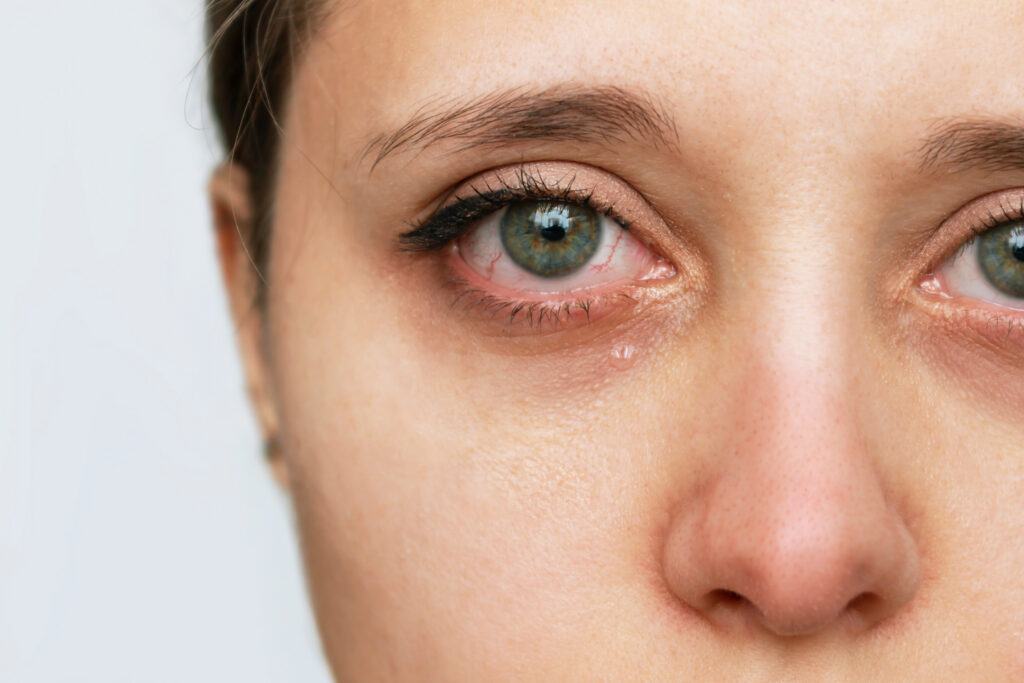
North Dakota winters bring subzero temperatures, biting winds, and snow that reflects harsh UV rays back into your eyes. If you’ve noticed your eyes streaming tears the moment you step outside, you’re not alone. Excessive tearing in cold weather happens when your eyes attempt to protect themselves from harsh conditions, but there are practical ways to reduce this uncomfortable response.
At Vision Source Mandan, Dr. Brittany Schauer, Dr. Wayne Aberle, and Dr. Danielle Dyke understand the unique eye care challenges facing residents of Mandan, Bismarck, and surrounding North Dakota communities. With over 70 years of serving this region, our practice helps patients manage winter eye discomfort through targeted dry eye treatment and protective strategies designed for our climate.
Why Cold Weather Triggers Excessive Tearing
Your tears aren’t just water. They’re a complex mixture of oils, water, and mucus that work together to keep your eyes comfortable and protected. Cold temperatures disrupt this delicate balance. When frigid air hits your eyes, it evaporates the watery layer of your tear film faster than your body can replace it, triggering a reflex response that floods your eyes with excess tears.
Wind compounds the problem by accelerating tear evaporation and physically pushing cold air across your eye surface. According to the American Academy of Ophthalmology, environmental factors like wind and low humidity are significant contributors to dry eye symptoms and reflex tearing. Indoor heating further depletes moisture from the air, creating a cycle where your eyes struggle both outdoors and indoors.
Protective Measures for Outdoor Activities
The most effective way to prevent winter eye watering is by creating a physical barrier between your eyes and harsh conditions. Wraparound sunglasses or ski goggles shield your eyes from wind while reducing UV exposure from snow glare. Choose eyewear with side protection to block wind from reaching your eyes at angles.
For those who wear prescription glasses, consider adding an anti-reflective coating that reduces glare from snow. If you don’t need vision correction, invest in quality sunglasses that block 100% of UVA and UVB rays. The added benefit is that proper eyewear keeps your eyes warmer, reducing the temperature shock that triggers excessive tearing.
Managing Indoor Air Quality
North Dakota winters mean months of forced-air heating, which strips moisture from indoor air and dries out your tear film. Running a humidifier in your bedroom and main living areas adds moisture back into the air, helping your eyes maintain proper tear film balance. Position humidifiers away from walls and furniture to prevent moisture damage while maximizing their effectiveness.
Take regular breaks from screens during the winter months. Digital device use reduces your blink rate, which means your eyes aren’t distributing tears properly across the surface. The 20-20-20 rule helps: every 20 minutes, look at something 20 feet away for 20 seconds. This simple habit encourages complete blinks that refresh your tear film.
Treatment Options for Persistent Watering
There are various options for treating persistent watering of the eyes. These include the following:
Artificial Tears and Lubricating Drops
Preservative-free artificial tears provide immediate relief by supplementing your natural tear film, particularly effective before heading outdoors or when indoor heating is strongest. Gel-based lubricants offer longer-lasting protection for severe cases, creating a thicker barrier that resists evaporation better than standard drops.
Medical Interventions
Prescription eye drops for chronic dry eye conditions that worsen in winter, prescription medications can increase your natural tear production or reduce inflammation that contributes to tearing. Punctal plugs are tiny devices inserted into tear ducts to slow drainage, keeping natural tears on your eye surface longer and reducing the reflex tearing response.
Our doctors evaluate each patient’s specific situation to determine whether watering stems from true dry eye, blocked tear ducts, or other underlying conditions. What works for one person may not work for another, which is why a comprehensive eye exam is the first step toward finding relief.
When Winter Eye Watering Signals a Problem
Occasional tearing in harsh weather is normal, but certain symptoms warrant professional evaluation. If your eyes water constantly even indoors, if you notice discharge or crusting, or if watering comes with pain, redness, or vision changes, you need emergency eye care. These symptoms can indicate infections, blocked tear ducts, or other conditions requiring treatment beyond simple environmental management.
Persistent winter eye problems shouldn’t be ignored or assumed to be just part of living in North Dakota. Many underlying conditions become more symptomatic in harsh weather but require year-round management for optimal eye health.
Get Relief from Winter Eye Discomfort at Vision Source Mandan
Our practice has served Mandan, Bismarck, and surrounding communities through countless North Dakota winters since 1950. Dr. Schauer, Dr. Aberle, and Dr. Dyke combine advanced diagnostic technology with practical, regional expertise to help patients achieve comfortable vision regardless of weather conditions. We understand that rural residents face unique challenges accessing specialized care, which is why we offer comprehensive eye services under one roof.
From routine dry eye management to emergency care for sudden symptoms, our team provides continuity and expertise you can trust. If winter weather makes your eyes water excessively, or if you want to prevent discomfort before it starts, contact us today to schedule an evaluation and discover personalized solutions for your winter eye care needs.